Understanding the psychology behind gambling choices in a casino setting
The Allure of Chance and Uncertainty
The thrill of gambling lies in the unpredictability of outcomes. Many people are naturally drawn to activities that involve risk and excitement. Casinos tap into this psychological aspect by offering games where the possibility of winning is tantalizingly close yet uncertain. This inherent unpredictability can lead players to take risks they might otherwise avoid in everyday situations, making places like Let’s Jackpot Casino appealing.
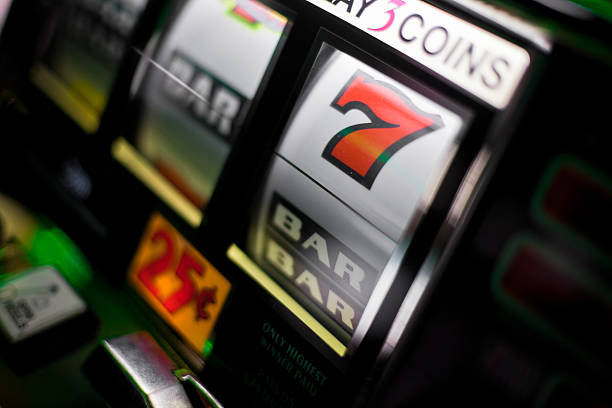
Additionally, the environment of a casino is designed to amplify this sense of excitement. The bright lights, engaging sounds, and enticing visuals create a sensory overload that enhances emotional responses. This atmosphere can cause players to become more impulsive, often leading them to make decisions driven by immediate gratification rather than long-term consequences.
The Role of Cognitive Biases
Cognitive biases significantly impact how players make decisions in a casino setting. One common bias is the “gambler’s fallacy,” where individuals believe that past events influence future outcomes. For instance, a player might think that a slot machine is “due” for a payout after a series of losses, leading them to continue gambling despite the odds remaining unchanged.
Another bias is the illusion of control, where gamblers feel they can influence outcomes through specific behaviors or strategies. This belief can create a false sense of security, encouraging players to engage in riskier bets. Understanding these cognitive biases is essential for both players and casino operators to foster a responsible gaming environment.
Emotional Factors in Gambling Decisions
Emotions play a critical role in gambling choices. When players are in a positive emotional state, they are more likely to make riskier decisions, believing that luck is on their side. Conversely, negative emotions can lead to what is known as “chasing losses,” where players continue to gamble in hopes of recouping their previous losses. This behavior often leads to further financial strain and emotional distress.
Furthermore, the social environment within a casino can influence emotions. Interactions with other players and the overall ambiance can either heighten excitement or create pressure to keep playing. Recognizing how emotions shape gambling behavior is essential for understanding why individuals may continue to gamble beyond their means.
The Impact of Marketing and Casino Design
Casino marketing strategies play a significant role in shaping gambling choices. Promotions, bonuses, and loyalty programs are designed to attract players and encourage them to spend more time gambling. The strategic placement of games, the design of the gaming floor, and the use of sensory stimuli are all carefully crafted to keep players engaged and encourage additional spending.
Outside of direct promotions, casinos often create a sense of exclusivity. High-stakes areas and VIP lounges make players feel valued and special, further encouraging them to engage in higher-risk gambling. This manipulation of the gaming environment underscores the importance of psychological principles in attracting and retaining customers.

Exploring Lets Jackpot: A Responsible Gaming Approach
Lets Jackpot emphasizes the importance of responsible gaming. Understanding the psychology behind gambling choices can lead to better decision-making, both for players and for those operating within the gaming industry. The platform offers valuable resources and tools to help players manage their gaming habits effectively, ensuring a fun and safe experience.
By fostering awareness and education about the psychological factors at play, Lets Jackpot aims to promote a balanced approach to gambling. Players can enjoy the thrill of gaming while remaining mindful of their choices, ultimately enhancing their overall experience.
